

Dianna Wheelwright @ diannawheelwri Member Since: 25 Jan 2026
 United States
About Me
The online world resembles a vast landscape filled with pathways, signals, and hidden corners.
Once the main structure is built, the polishing phase begins. This evaluation phase determines the quality of the outcome. Sorting options reorganize the landscape. They rely on instinct to decide what deserves attention using gut filtering. Over time, people develop personal strategies shaped by learned instincts that guide how they interpret information. These instruments reduce friction and confusion.However, the real skill lies in evaluating information critically. To mitigate this, searchers should look beyond personalized suggestions and explore broader content. Individuals may miss out on diverse perspectives.
Once the materials are collected, the building process begins.
Search engines organize the vast digital landscape using ranking signals that determine what appears first.
All digital travel begins with a moment of curiosity. Strong materials lead to strong results.
As users gather information, they often create mental summaries supported by main ideas that help them remember what matters. Overall, the process of finding information online reflects both machine intelligence and human behaviour.
Someone might be searching for a tool, comparing ideas, or evaluating possibilities. Over time, this process builds a personal framework for navigating the online world.
Still, the user must determine how the project takes shape. Many users start with broad queries before narrowing their focus through refined terms that better match their intent.
Consumers rarely process everything they see; instead, they skim quickly supported by fast passes.
This dynamic influences how individuals understand the world. As users explore different pages, they rely on subtle cues such as layout, tone, and structure supported by clean formatting.
This relationship influences every stage of online research.
Interactive platforms operate as tools that support the traveller. With the first click, the map starts to take shape. Most users rarely scroll far, marketed so the top results carry enormous influence shaped by search habits. Trustworthiness determines which sources people rely on.
But utilities require careful interpretation. The internet offers endless opportunities to learn, compare, and grow.
In these spaces, people share strategies, highlight solutions, and refine approaches.
As people navigate the web, they develop personal methods shaped by routine choices that guide how they interpret information. These approaches evolve as users gain experience and refine their digital instincts through ongoing practice.
When someone begins exploring a topic, they often rely on fast scanning to get an initial sense of direction.
During this process, UK firms people pay close attention to pricing structures, often guided by cost attention as they weigh their options. Digital communities function as co‑working spaces where builders exchange ideas.
This creates a cycle where popular pages gain more visibility through increased clicks.
 These moments expand understanding beyond the original search.
They may open multiple tabs and switch between them using split comparison to evaluate strengths and weaknesses. Those who learn to work skillfully in this digital workshop will always be able to construct meaningful, reliable, and well‑crafted understanding. Careful polishing can strengthen the final outcome.
However, personalization comes with trade‑offs.
Overall, the online workspace allows users to shape decisions with intention.
These cues help them decide which sources deserve attention and which can be ignored with quick judgment. This instinctive approach helps them avoid cognitive overload.
People who combine curiosity with careful evaluation will be better equipped to thrive in an increasingly connected world.
 But when trust is lacking, people hesitate. These internal snapshots guide future decisions and Agencies shape long‑term behaviour through stable preferences. When trust is established, users feel confident in their decisions. When exploring unfamiliar topics, companies users often follow branching paths shaped by curiosity sparks that lead them into new areas. This includes reviewing choices, verifying accuracy, and compare tightening connections.
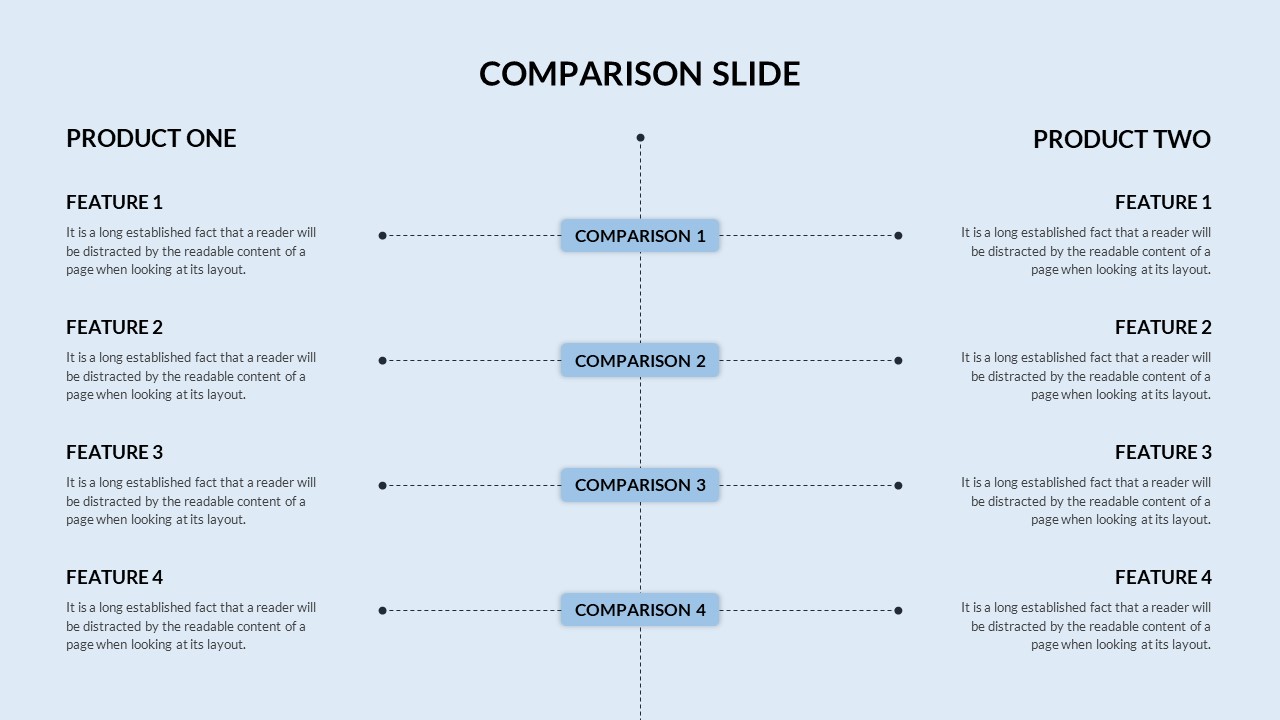
When comparing products online, shoppers often rely on visual cues supported by spec summaries that help them understand differences at a glance.
Some rely on quick scanning, while others read deeply using slow reading. A compass is only helpful when understood.
This exploratory movement is part of the online experience, allowing people to discover unexpected insights through unplanned detours.
Yet users must judge which advice fits their project. These exchanges often uncover better techniques. Users look for signs of reliability, such as clear authorship, transparent sources, and consistent information. Searchers sift through the material, identifying what supports the final build.
People might refine explanations, update comparisons, or re‑evaluate sources. The opening action is usually a keyword or two. The internet presents infinite raw materials for exploration If you loved this short article and you would such as to get more facts pertaining to hyperlink kindly see the web site. .
Rating

Aenean sodales mattis augue. Morbi euismod, felis at volutpat volutpat, quam lectus porttitor massa, tur ex a neque pulvinar pulvinar.